
What the certificate is
The CEE rates how much energy a property needs, on a scale from A, the most efficient, to G, the least. The current rules are set by Royal Decree 390/2021, which replaced the 2013 regulation.
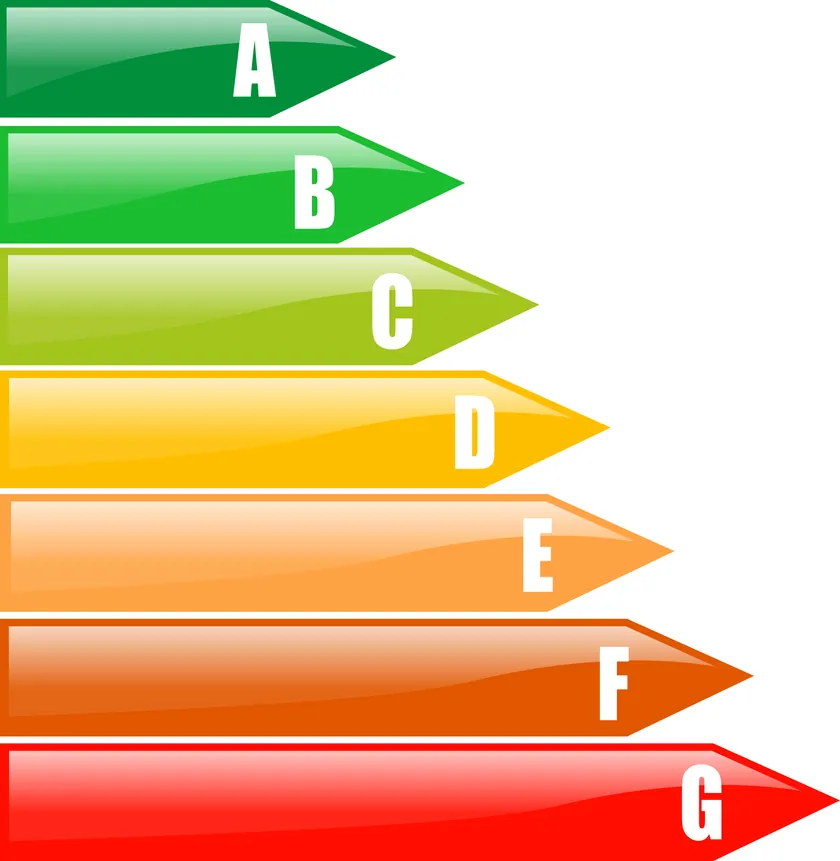
The rating label must be available to buyers, and the notary will ask for it when the sale completes.

How long it is valid
| Rating | Valid for |
|---|---|
| A to F | 10 years |
| G | 5 years |
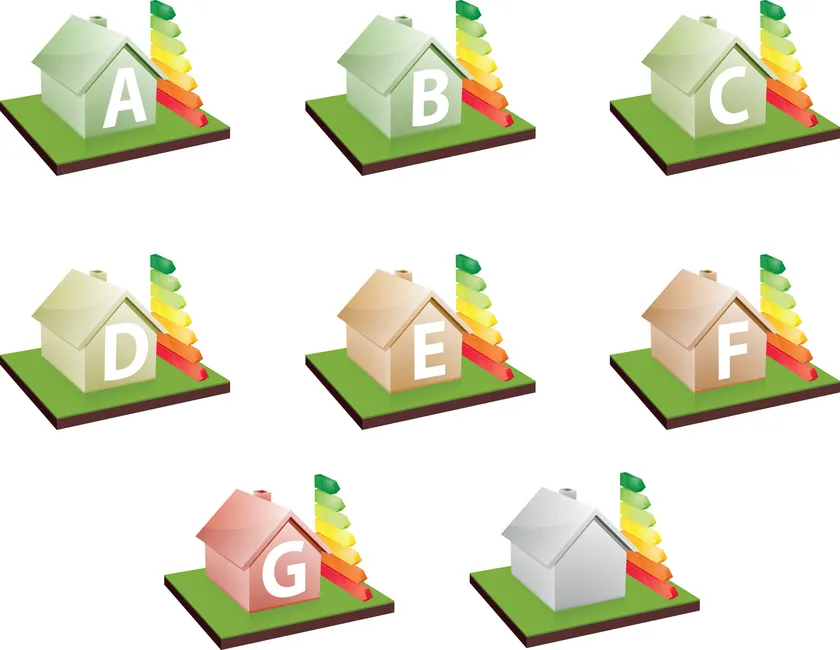
Many older properties in Tenerife rate F or G, so check the date on an existing certificate before relying on it.
Who issues it and who pays
Only a registered competent technician (técnico competente) can issue a certificate, for example an architect, a technical architect or an engineer. The owner chooses the technician and pays for the certificate. The price depends mainly on the size of the property.
The technician visits the property and records how it is built and equipped: insulation, windows, water heating, air conditioning and so on. That data goes into approved software, which produces the rating, and the certificate is then registered with the Canary Islands Government.
How much does an energy certificate cost?
There is no fixed price. The fee depends mainly on the size of the property and on the technician, so ask two or three for a quote. Registering the certificate with the Canary Islands Government is done online.
Does a poor rating have to be fixed?
No. A seller does not have to improve the property, whatever its rating. The certificate includes recommendations, but acting on them is up to you.

Exemptions
Some properties do not need a certificate, including:
- free-standing buildings with a usable floor area under 50 m²
- buildings bought for major renovation or demolition
Whether an exemption applies should be confirmed with your technician or lawyer before the sale.
Energy certificate questions
Do I need an energy certificate to sell my property in Tenerife?
Yes. The notary will ask for it at completion.
How long does an energy certificate last in Spain?
Ten years for ratings A to F, and five years for a G rating.
Who pays for the energy certificate?
The owner who is selling or letting the property.
General information. It is not legal advice.